
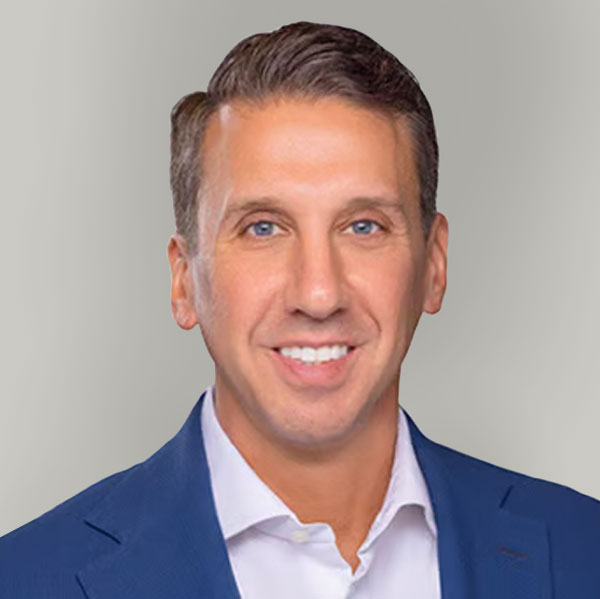
From Wirehouse to Independence: Developing Complete Wealth Managers with John Amore
This week, Jack Sharry talks with John Amore, President of Kestra Financial. John is committed to building out capabilities that empower advisors and support the financial independence of their clients. He focuses on creating a thriving community of complete wealth managers. Before becoming President, John led Kestra’s Wealth Management division, where he drew on his global leadership experience to drive growth, innovation, and advisor success.
John shares with Jack why he made the leap from wirehouse to the independent space, how Kestra is building out a holistic ecosystem for advisors, and what the firm is learning about one of the most critical issues facing the industry today—succession planning. John also discusses the recent industry study on succession planning and why it’s a necessary and often deeply personal issue for financial advisors.
What John has to say
“It’s always been my goal to make sure that our advisors can be complete wealth managers. And that means meeting all the needs of their clients.”
Read the full transcript
Jack Sharry: Hello everyone and welcome. Thank you for joining us for this week’s edition of WealthTech on Deck. Our industry is in a consistent state of pursuing ways to improve the experience and results for both investors and financial advisors. Part of this comes as a function of executives starting in one kind of firm and winding up in another. Today we will be speaking with someone who has made the switch from being an executive at a wirehouse firm to an executive role at a firm that is focused on wealth management advisors who are independent. John Amore was named president of Kestra Financial about a year ago. John came to Kestra to head wealth management, a role he played for the 15 years before that at UBS. John and I first met many years ago when he was at UBS. Today we will talk about his journey over the past 15 years and some of lessons learned. John, welcome to WealthTech on Deck. It’s good to have you here.
John Amore: Yeah, well, it’s great to be here, Jack, and great to reconnect with you. It’s been a while since you and I have been together, so it’s great to see you again.
Jack Sharry: Yeah, you as well. So until we caught up briefly the other day, the last time we talked was in Weehawken, New Jersey. I remember it was an interior conference room probably 14 or so years ago. You had just returned from being posted overseas for UBS and you were coming back to the States to head up wealth management in the U.S. at UBS. Please walk me through your career journey and what led to your current role as president of Kestra Financial. I’m curious, by the way, why Kestra and what made you make the jump from the wirehouse?
John Amore: Yeah, well, so let me start with your last question first, Jack. So I’ve been with Kestra now just about five years. In fact, it was five years ago this month that we moved to, my family and I moved to Austin to join Kestra. And I had a great career at UBS. And I love UBS. It was a great brand, worked for some great leaders. But when I got the call about an opportunity at Kestra, I could see the trend in our industry of good advisors going independent. I saw the potential for the independent space and why that model served really successful entrepreneurial advisors and the best advisors I’ve ever worked with are always the most entrepreneurial. And so I thought it would be a good opportunity to play in the independent space at a company that was looking to lean into the space, that was looking to make investments, and that was that was playing a lot more offense than playing defense in the industry and I felt I was young enough for my career to be somewhere that was playing offense not defense.
Jack Sharry: Gotcha. So talk a little bit about that career journey and be good to just know what you did at UBS. Cause I know you served a variety of roles and when you talk about heading wealth management, that has that could be interpreted a few ways. So why don’t you just sort of fill us in on that role and then that continued at Kestra for prior five years and then about a year or so ago you became the president. Sort of just walk us through what, how all that came down.
John Amore: Yeah, sure. You know, I didn’t start my career in this industry. I started my career as a management consultant serving financial services firms. And so banks, stock exchanges, brokerages, credit card companies. And then I went back to business school and then I got my MBA and coming out, UBS made me an offer in Switzerland that was not related to wealth management. They were looking to capitalize or use my management consulting skills and I was doing a bunch of company integrations and projects to help them improve their sales efforts. And that was my first exposure to wealth management and UBS gave me the opportunity to work on wealth management teams in Europe, in South America. And so I got a good appreciation of serving clients and serving high net worth clients and the capabilities that they needed from a very global perspective. And then I repositioned my career at UBS to focus on the U.S. market. And from that, this is where you and I met in Weehawken and I started running, just to be clear, I wasn’t running the wealth management business at UBS. I was running the wealth management platforms and advice. The wealth management advice was the name of last group that I was leading, which was the planning and the advisory and some of those solutions, those advice beyond investing solutions that advisors use to be wealth managers and had a great time building some of those capabilities at UBS, working with our advisors. And then Kestra, that’s what Kestra hired me to do is to run wealth management here at Kestra, which is really all of our advice oriented types of platforms that serve independent advisors to make sure they can deliver good advice to their clients. And so, that’s what I was doing up until January of this year when it was announced that I would be the next president of Kestra. That announcement came out in January. Our previous president, Stephen Langlois, a great leader and a great friend, decided to retire. Then on April 1st was my first official day as president of Kestra Financial.
Jack Sharry: Gotcha, so of course I’ve known Stephen Langlois even longer than I’ve known you. Knew him back, visiting him when we first started LifeYield back 16 years or so ago, he was at LPL and he and I have stayed in touch over the years. A great guy, great leader as well. So, John, you’ve been in the president’s seat for almost one year. Curious to know what you’ve learned and maybe what the best piece of advice you’ve gotten that applies to the role.
John Amore: Yeah, well, first I’ll say it’s been great. I am, I’m very grateful to have this job to lead a company that is playing offense, that is making investments, that has a great group of existing clients, has a great strategy going forward. Not every president gets to be the president of company that’s in good order and has a great future. So super grateful for that. I love what we do here. I love our clients. I love our advisors. So from that perspective, it’s been great and I’m super grateful. You know, I was given the advice, from other people who’ve had this type of role that, being a president, you’re never perfect. This is not a job of, of perfection. You can’t keep score every day. You got to keep score over time. And I didn’t realize how good of advice and how how high quality that wisdom was. It’s like everyone wants to be a gangster until you have to start doing gangster things. It’s same thing with being a president… start doing president things and many times that requires having a courage to do what’s right over what’s sort of easy or fun or fast. And it’s been fun to embrace that and to learn along the way.
Jack Sharry: Gotcha. So that is great advice. I love that. So talk a little bit about the ecosystem you inherited. Also, you got a lot of fingerprints on that ecosystem that when you brought in around developing your wealth management capabilities. So why don’t you talk a little bit about that, what you and the team evolved, talk about that ecosystem. In a little bit, we’ll talk about where you want it to go. But first, let’s really establish what you’ve been building over the past five years as leading the wealth management effort at Kestra.
John Amore: Yeah, sure. So it’s been a great journey. So Kestra Financial is part of a broader company called Kestra Holdings that’s led by our CEO, James Poer. And within that holding company over the last five years, we’ve built a lot of capabilities. Kestra Financial is where most of those advisors operate. They are our clients and they are, utilize both our RIA and our broker dealer. Then we have, we started Kestra Investment Management, which is our asset management capability a few years ago, and that’s led by our super talented Chief Investment Officer, Kara Murphy. And that’s been a great success with our advisors helping them build better portfolios and give better investment advice. We also have a trust company called Arden Trust, which helps our advisors serve the high net worth needs of their clients who need sophisticated succession planning. And then last year, one of our big investments was the acquisition of an insurance agency called CBS Brokerage, which internally we refer to Kestra Insurance Planning. All of our advisors do some type of insurance and Kestra Insurance Planning has allowed us to serve our advisors, helping them give better insurance planning advice to their clients. And so we have this robust set of wealth management capabilities because it’s always been my goal to make sure that our advisors who come to Kestra can be complete wealth managers. And that means meeting all the needs of their clients. And so it’s been a lot of fun to build those capabilities and that’s where we are today.
Jack Sharry: So it sounds like the focus is on high net worth individuals to be more holistic in terms of the approach, in terms of the service. It sounds like you were very much part of that when you joined Kestra to build that out there. And now you’re overseeing it all. And it sounds like, I’m guessing here, but I don’t think I’m probably far off, stitching it together more tightly, making a more integrated whole. So why don’t you talk a little bit about where you are, then a little bit about where you want to take it.
John Amore: Yeah, that’s right. So it’s one thing to have the expertise. It’s another thing to have it built into the platform so that it’s easier for our advisors to use. And so we’ve been making a number of investments to do that. For example, last year we made a major upgrade to our alternative investments platform, making it easier for our advisors to access the right private equity, private credit, hedge fund, et cetera, types of solutions to have both the right product and the right expertise to help their clients with those types of things. Every year we add more strategies to our custom investment management group to make sure our advisors have a full scope of whatever investment solutions that they need. And then when we can start combining trust solutions with insurance, with asset management for those really sophisticated clients who need help on all those and helping our advisors win those opportunities, particularly when they’re going up against advisors at wirehouses, it’s really a compelling offering.
Jack Sharry: Gotcha. It sounds like you’re making good progress and I assume that will only continue in terms of where you want to go?
John Amore: Yeah, that’s right. The great thing about Kestra is we are better every quarter and we still think we’re in early stages and our best years are still ahead of us because we’ve got a lot of investments we want to make and we’ve got a lot we want to get done.
Jack Sharry: Gotcha. So I understand that Kestra and the sister firm, Blue Spring Wealth Partners, released an industry study on advice or succession planning. That sounds like you’re doing some planning in that regard as well, in addition to with clients. So talk a little bit about the findings and why succession planning is a top priority for you guys.
John Amore: Yeah, so look, our industry hopefully is prioritizing succession planning. Our whole industry is dealing with this in different ways. We have all these founders of independent wealth management firms, the G1s out there, who want to retire, are ready to retire, or just figure out how to monetize or transition their book of business to a G2 or a couple of G2s. And what we’ve learned is that these transactions are not just financial transactions. They’re complicated. People’s lives have gone into building these great wealth management businesses. There’s a lot of very personal relationships. There’s a lot of emotion. Like any entrepreneur, there’s a lot of emotion that went into building this company. And so whenever you’ve got people issues involved in a transaction, it becomes more complicated. And so we, this was sort of a contribution to the industry to help, help the industry, not just understand that it’s an issue, but why is it an issue? Why is it hard for G1s? Why is it hard for G2s? And if we can help our advisors or the industry be better at it, that was the goal of this research. And, you know, it was interesting. We learned a number of different things in this research. One was that only 6% of the advisors surveyed have a written succession plan. And I mean succession plan, they all have some type of contingency plan if something should happen. But a true succession plan, only 6% have actually written it down, which is fascinating for an industry that gets paid to give financial planning advice. You’d think they would be better prepared for some of these things, but it goes to how hard it is to put that pen to paper. Another observation was, look, every advisor wants to retire at some point. They all say they want to retire. And I say most because there are some advisors who actually don’t want to retire, but most people do want to retire. But only 50% of them have done something to prepare for that. So we have this disconnect between desire, hey, I want to retire, and sort of intention or activity of I’m going to do something to affect that. So there’s this disconnect there and so it’s one thing to say you want to retire it’s another thing to actually plan for it and so that was interesting. And then lastly 1 in 3 G2s, so the people who would be the succession plan said they would leave where they are today without some tangible plan or commitment to equity in the firm. Which means if you’ve got a good G2 out there and you haven’t made the efforts to really incorporate them into the strategy, give them some equity, you’re at risk of losing your G2. And if you have a good G2, that’s a valuable resource for your business. You got to do whatever you can to make sure you hold onto that talent. So that was some interesting findings that we’ve learned in this research.
Jack Sharry: So a couple of observations, I want you to share, this is fascinating. I used to work with a organizational development professional in a prior life in a more corporate setting. And he used to say about business, he says, business is personal. And really what you’re describing, especially knowing advisors like you and I do, it is very personal. Like you said, they’re entrepreneurs, they built this with their blood, sweat, and tears. They built it typically from the ground up. Often family’s involved and it gets complicated.
John Amore: Yeah, no doubt.
Jack Sharry: And business is personal. I’m not saying anything we don’t all understand, including everyone listening to this to this podcast. So that’s just one observation. It is very personal. I’d love to have you comment on… we’ll start there. Just talk about that personal angle aspect. It seems that if you don’t come to grips with that what, kind of the rest of it doesn’t seem to make sense or you don’t know what to do about it, right? You got to acknowledge what’s going on. So talk a little bit about that in your findings, but also as you’ve now shared this out into your own marketplace and beyond, I’m sure you’re using it as a recruiting tool, talk a little bit about how this plays out in terms of just how you run your business.
John Amore: Yeah, well look, anyone who has been successful in this business, chances are they started because they were good or appreciate the power of relationships. Right? And so they know how to connect with people. They have this desire to want to help people. They’re comfortable being with people and helping people solve their financial wellness goals. And so, you know, most people in this business started with you know, hand-to-hand combat of building relationships and building clients. Over decades, that leads to lots of personal relationships and people, especially in the independent space, tend to serve a lot of people in their community. So their identity, their value proposition is caring for all these people in their community. And so it’s tough for them to walk away from that. And so that matters. And the other thing is, at some point, every client of a wealth management advisor gets advice. They get advice on portfolios, they get advice on planning. And there’s only so many investment solutions. There’s only so many types of planning ideas. But every advisor believes how they do it is their special sauce, right? And they’re good at it because they’ve got a special sauce. And sometimes that special sauce is not easy to transition to a G2. And so sometimes G1s have a tough time giving up the business because they’re concerned about, will their clients get the same level of care that they’ve given to their clients for all these decades. And so these are all the business is personal things that you’re talking about. Those are just some examples of why it makes it hard.
Jack Sharry: Yeah, a close friend of mine passed away, it was a years ago now and I attended the service and one of the people eulogizing this this good friend of ours was his advisor, worked for a brand name, independent firm we all know. And they talked every day, and they were friends. They were more friends than clients, but they were friends and clients. And they talked about, they both were kind of stock jocks, they liked to talk about different securities and why they liked them and blah, blah. But it was more about life and family and all the rest of it. And I imagine the whole succession planning is very emotional, very personal, very… So just an observation, it just sort of struck me because I was not in the context of business, I was in the context of family and friends and relationships and all that kind of stuff. And there was this, it was an LPL rep as it turned out, talking about his relationship with his friend, Kenny, just, they’re good buddies. How do you operationalize that? That’s my question. As you’re doing the study, you’re learning about how do you make it available so that advisors benefit in terms of moving it forward? Because it is very personal and everything I just described is deep seated. It’s not surface level. It’s pretty deep. So how do you take what you learned in the study, take what you know about advisors and they’re all different flavors and stripes and types and so on. How do you help them in terms of making that succession plan and setting themselves up to successfully pass it on for themselves and for their clients?
John Amore: Yeah, so we do a couple of things. We work with our advisors in a number of ways. The first is to ask them the hard questions about what does a successful transition look like? If they don’t have a G2, helping them find a good G2. And sometimes it’s combining practices. So a lot of times we will help our advisors who are in the same city or region bring their businesses together, which then create a succession plan. And then actually come up with a timeline and sort of a project to transition clients. Because my experience has been once you want to start the process, then they’re okay. It’s starting the process… where we need to battle some of the inertia and some of the fears. Once you have a plan, and this is why it’s so important for advisors to write this stuff down. And, what I always tell them, like you can change your mind, but you gotta have a plan. The plan you end up with doesn’t need to be your plan you start with, but you need a plan. And it’s okay for you to change your mind. And once they realize that, it doesn’t feel as overwhelming and doesn’t need to happen right away. But it’s the advice they give to their clients is you gotta have a plan.
Jack Sharry: Yeah, I personally went through a planning process recently and where we started where we wound up were different but it was it was an important part of the process to go through the process. It just, we learned as we went, we understood some things, we reconsidered just because the nature of life, you know, it’s okay, given that certain things will change, certain things will end, certain things will begin, what does that look like and so on. I imagine it’s the same here. So John, we’ve covered a lot of ground. I want to make sure we cover all that you want to share with our listeners. Anything we haven’t covered that you’re working on or excited about now or anything you’re looking forward to as you guys look out into the future, talk about anything we might have missed that you want to make sure we hear.
John Amore: Yeah, well thanks for asking. A couple of things we have going on, and this is sort of real news. We’re super excited. We’re setting up a second location. So as you know, Kestra is headquartered here in Austin. Austin will always be our home base. It’s our DNA. But we’ve matured to a spot that we wanted to set up a second city. And we chose Phoenix to be that second city. We’ve been planning on this for a while and we’re now opening up the office this fall, which gives us the opportunity to better serve our mountain time zone and West Coast advisors. It also allows us to access more financial services talent. Austin’s a great city, but it only has so much financial service talent. And so we have a lot of hiring to do to support our growth. And so we believe Phoenix will give us access to more talent. So that’s super exciting for us to have that second city up and running this fall.
Jack Sharry: That’s great. So as we look to wrap up, any key takeaways you want to leave with our audience in terms of what we’ve talked about?
John Amore: Well, look, I think this is a great time to be an independent financial advisor. I think we at Kestra feel like this is, we’re in a great spot to serve advisors that are planning oriented and that want to be part of a community of like minded growth oriented types of advisors. You know we have we have the benefit of a size that allows us to curate a community and to have relationships with our advisors that are meaningful, productive. And that’s the privilege I have of running a company like this. And so I’m always happy to talk about what we’re doing here and to talk to advisors who want to be a part of that.
Jack Sharry: Great, great. So one last question before we part for now. What do you do outside of work that you’re excited or passionate about that people might find to be interesting or surprising?
John Amore: Oh, interesting. I have two kids, right? So I have a 14-year-old and a 13-year-old who are great and super active. So I spend most of my weekends on sidelines watching sports. They’re playing sports. If I have a chance, I enjoy playing tennis. I enjoy playing golf. I don’t get enough time to do that. So probably not too original. But I would also add, we’re a family that, we were from New York originally, and so we appreciate the theater and performing arts. And so when we can, we are either running back to New York to see some Broadway or an opera, or even supporting local performing arts here in Austin, which is a growing scene.
Jack Sharry: That’s great. Terrific. Thank you. So, John, thanks so much for this conversation. Really appreciate it. For our audience, thank you for tuning in today. If you enjoyed our podcast, please rate, review, subscribe, and share what we’re doing here at WealthTech on Deck. We’re available wherever you get your podcasts. You should also check us out at our dedicated website, wealthtechondeck.com. All our episodes are there along with blogs and curated content from many folks around the industry. John, thanks again. This has really been a pleasure.
John Amore: Jack, great to be with you. Thanks for the invite.